en
A telescopic handler, often called a telehandler, is one of the few machines that can lift, reach, place, load and carry on the same day without changing equipment. On a building site it replaces a crane for light lifts and a forklift for rough ground. On a farm it feeds livestock, stacks bales and loads trailers. Yet because the category is so versatile, buyers often choose on price or brand alone and end up with a machine that is too small, too tall, or poorly matched to their ground and attachments. This guide walks through every factor that matters, so you can match the machine to the work.
Quick Takeaways
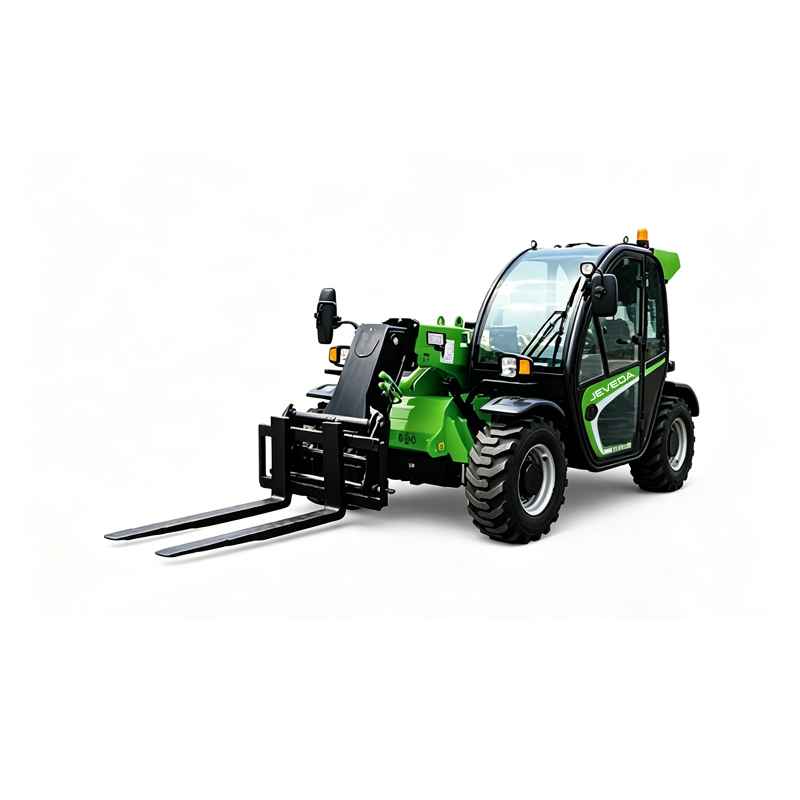
A telescopic handler is a wheeled, self-propelled machine with a boom that extends and retracts in sections. The boom is mounted on a chassis with a driver's cab at one side, and it carries an attachment carriage at its tip. The operator can raise the boom, extend it forward, tilt the attachment and drive, all from the cab. This combination gives the machine a unique working envelope that neither a forklift nor a wheel loader can match.
Hydraulic cylinders raise the boom and drive the telescoping sections outward. As the boom extends, the load moves away from the front axle, which reduces the weight the machine can safely handle. That is why every telehandler has a load chart: the capacity at full retraction is far higher than the capacity at full extension. Most modern units also include frame leveling or stabilizers, which keep the machine stable on slopes or soft ground while the boom is raised.
The main benefit is flexibility. One machine can use forks for pallets, a bucket for grain or gravel, a bale spear for hay, a lifting hook for steel, or a work platform for people. It can travel across uneven terrain where a warehouse forklift would sink or tip. It can also place a load over an obstacle, such as a ditch, a fence or a half-built wall, which is impossible for a loader. For small and medium operations, this means fewer machines to buy, insure, transport and maintain.
Before comparing specifications, decide which category suits your work. The market is generally divided into four groups, and each has clear strengths and limitations.
The fixed model is the classic design. The upper structure does not rotate, so the operator positions the machine and then moves the boom. These units are simple, robust and generally more affordable than rotating versions. They are available in a wide range of capacities, from about 2.5 tonnes to 5 tonnes or more, and heights from 6 to 20 meters. For most agricultural tasks and general building work, a fixed telehandler is the sensible choice.
A rotating telehandler has a turret that swings through 360 degrees, similar to a mobile crane. The operator can place loads to the side or behind without repositioning the chassis, which saves time on cramped sites. Many rotating models are sold with winches, jibs and platforms, so they can perform crane-like lifts. They cost more and weigh more, but on congested construction sites they can replace both a telehandler and a small crane.
Compact units are narrow, short and lighter, usually with lifting capacities between 1.5 and 3 tonnes and heights up to 7 or 8 meters. They fit through standard doorways and barn entrances, turn in tight spaces and exert lower ground pressure. Dairy farms, poultry houses, vineyards, stables and landscaping contractors often prefer them for these reasons. Their limitation is reach and capacity; if you routinely lift heavy loads high, a compact model will not be enough.
High-capacity models can lift 7 to 12 tonnes or more, while high-reach models extend beyond 20 meters. They are used for steel erection, precast concrete, industrial maintenance and large infrastructure projects. These machines need more space, stronger ground and well-trained operators. For a typical farm, they are rarely cost effective, but for a major contractor they can be a core piece of equipment.
Specification sheets are full of numbers, and not all of them carry the same weight. The following four items deserve the most attention.
The maximum rated capacity is the heaviest load the machine can lift under the best possible conditions: boom fully retracted, low and close to the chassis. A machine rated at 4 tonnes may be limited to 1 tonne or less at full height and reach. Treat the headline number as a starting point only.
List your actual lifting tasks. For each one, note the weight, the height and the distance from the machine to the placement point. Then check the load chart to confirm that the telehandler can handle that combination with a margin of at least 15 to 20 percent. A bricklayer lifting a 1.2-tonne pack of blocks to the third floor, 4 meters away from the machine, needs a very different model from a farmer moving 600-kilogram round bales onto a low stack.
Lift height determines how high you can place a load. Multiply the number of floors by about 3 meters, then add the height of any parapet, roof structure or stack. For agriculture, measure your highest barn stack or trailer bed. Choose a height that covers your needs with a buffer, but avoid paying for a much taller boom that you will rarely use, because height reduces stability and increases cost.
Forward reach is the horizontal distance the boom can extend at a given height. It matters when you need to place loads over obstacles, such as scaffolding, trenches or the far side of a trailer. Reach is often more important than height on construction sites, where access is limited and the machine cannot always be positioned close to the work face.
Overall width, height and turning radius decide where the machine can actually work. Check gate widths, doorways, tunnels, transport limits and floor load ratings. Weight matters too: a heavy machine may be excluded from soft fields, suspended slabs or sites with ground-bearing limits. Always compare the operating weight with the ground conditions you expect.
Stabilizers lift the machine slightly and widen its footprint, increasing capacity when working at height or on uneven ground. Frame leveling tilts the chassis so the boom stays vertical on slopes, usually by 8 to 10 degrees. If you work on hillsides, in unprepared fields or on rubble, one or both features are valuable.
Tire choice affects traction, stability and ground damage. Industrial tires suit hard, rocky surfaces, while agricultural or turf tires give better flotation on soft ground and protect pasture. Four-wheel drive and four-wheel steering, often with crab steering, make a significant difference in mud, snow and confined yards.
Construction environments demand reach, precision and the ability to work in harsh conditions. Time on a building site is expensive, so handling speed and positioning accuracy count heavily.
Telehandlers are used to unload trucks, move pallets of bricks and blocks, lift roofing materials, place steel beams and trusses, supply scaffolding, carry out maintenance at height and support formwork. With a work platform they can also act as an access machine, although local regulations on lifting people must always be followed.
Most low-rise and mid-rise projects benefit from models in the 3.5 to 4.5-tonne class with lift heights of 13 to 18 meters. If you frequently place materials on upper floors or over obstacles, check forward reach at the relevant height rather than relying on maximum values.
Proportional joystick controls, smooth hydraulic response and good boom-tip visibility make precise placement easier and safer. Consider models with a camera or a load-moment indicator display, especially when working near people or fragile structures.
On a large, open site with room to maneuver, a fixed telehandler is usually enough and more economical. On a narrow urban site where the chassis cannot be moved, a rotating model saves hours of repositioning. Compare the extra purchase or rental cost with the labor and time it saves.
Pallet forks are the standard attachment, but contractors also use lifting jibs, truss booms, concrete buckets, muck buckets, personnel baskets and glazing attachments. Confirm that each attachment is compatible with your carriage and that the load chart accounts for its weight and center of gravity.
Farming is different from construction. Loads are often bulky and light, the work is repetitive, the operator spends many hours in the seat and the ground may be wet or uneven. Visibility, comfort and maneuverability usually matter more than extreme reach.
Common tasks include feeding livestock, stacking round and square bales, loading and unloading trailers, moving silage, handling grain and fertilizer bags, cleaning sheds, and working in orchards, greenhouses and vineyards. Many farms also use the machine for general yard work, snow clearing and building maintenance.
Barn doors, feed alleys and narrow yards often limit machine size. Compact and mid-size models with a lift capacity of 2.5 to 3.5 tonnes and a lift height of 6 to 9 meters satisfy the needs of most livestock and mixed farms. Four-wheel steering and a tight turning radius are particularly useful.
An operator may spend six to ten hours a day in the cab. A low boom profile, large glass area, comfortable seat, effective heating and air conditioning, and low noise levels reduce fatigue and improve safety. Front-mounted attachments should be visible without leaning or twisting.
Many agricultural attachments, such as grabs, mixers and sweepers, rely on hydraulic power. Check the auxiliary flow rate and pressure, and make sure the machine provides the right couplers. A strong, steady flow improves attachment performance and shortens cycle times.
Hydrostatic transmissions give smooth, stepless speed control and are well suited to repetitive loading, feeding and stacking. Powershift transmissions can offer higher travel speeds and better efficiency on long road or yard runs. If your machine travels between fields or farm sites, test the road speed and braking performance.
Bale spears and grabs, muck forks, buckets, feed mixers, manure forks, pallet forks and fruit-picking platforms are among the most popular. A quick-attach carriage speeds up changeovers and extends the machine's usefulness across the whole year.
A telehandler is only as useful as the tools it can carry. When comparing models, review the attachment ecosystem and compatibility. The table below summarizes common attachments and where they work best.
| Attachment | Main Use | Best Suited For |
|---|---|---|
| Pallet forks | Moving palletized goods | Construction and agriculture |
| Bucket | Loading loose material such as sand, grain or manure | Both |
| Bale spear or grab | Handling round and square bales | Agriculture |
| Lifting jib or hook | Placing beams, pipes and trusses | Construction |
| Work platform | Elevated access for workers | Construction and orchards |
| Winch | Precise crane-style lifting | Rotating models on construction sites |
Most manufacturers use proprietary or semi-standard carriages. Check which coupler system the machine uses, how many attachments you already own and whether aftermarket options are available. A hydraulic quick coupler, controlled from the cab, saves time and removes the need to leave the seat.
Every attachment adds weight and moves the load center forward. A heavy bucket may reduce usable capacity by hundreds of kilograms. Always use the load chart that matches the exact attachment installed.
The powertrain determines performance, fuel cost and long-term reliability. Look beyond horsepower and consider how the whole system works together.
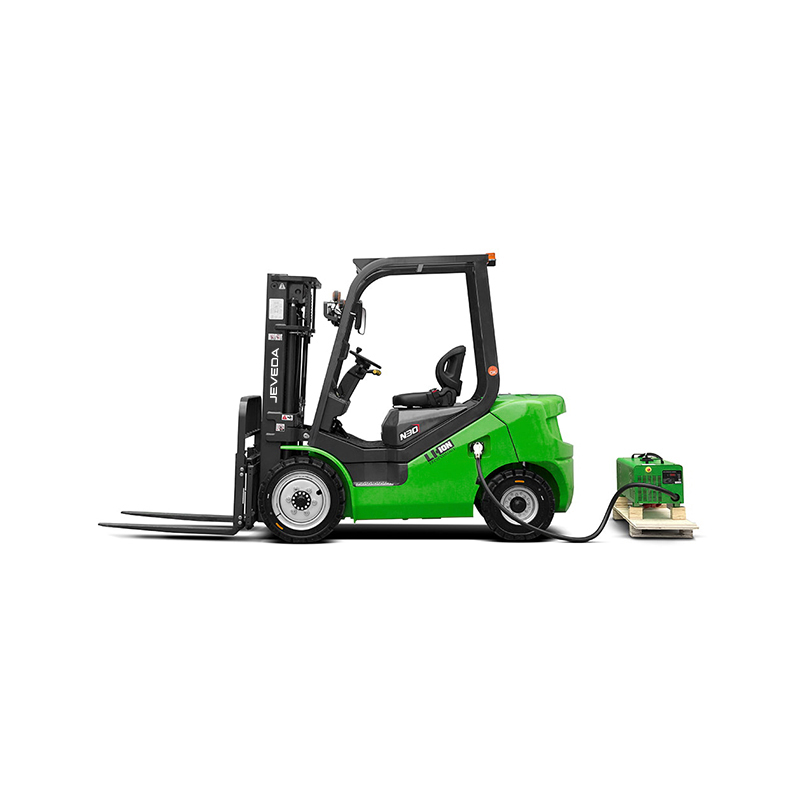
Most telehandlers use diesel engines between 75 and 150 horsepower. More power is not always better; what matters is torque delivery at low speeds and fuel efficiency in real conditions. Make sure the engine meets the emission regulations of the region where it will operate, and consider the availability of service and parts for that engine brand. Electric and hybrid telehandlers are emerging, mainly for indoor and low-noise applications, though their capacity and runtime currently limit them to specific tasks.
Hydraulic flow controls how fast the boom moves and how well attachments operate. Load-sensing systems send power only where needed, reducing fuel use and heat. During a demonstration, test simultaneous movements, such as raising and extending at the same time, because poor hydraulics make this feel slow or jerky.
Dust, straw, sand and debris can quickly clog coolers and air filters. Machines used in agriculture and demolition benefit from reversible fans, large radiator access and easy-to-clean filters. These small design details can make a major difference to uptime.
Telehandlers are safe when used correctly, but tip-overs, overloads and collisions with people or structures remain a real risk. Safety features and training should be built into your selection process.
In most countries, operators must receive formal training and certification. Even where it is not mandatory, structured training reduces accidents, protects equipment and improves productivity. Operators should learn to read load charts, assess ground conditions, travel safely with the boom lowered and use attachments correctly.
A short pre-start inspection catches small problems before they become failures. Check tires, hydraulic hoses, boom pads, forks, lights, fluid levels and safety devices. Keep a written log, which also helps with warranty claims and resale value.
The purchase price is only part of what a telehandler costs. A clear financial picture helps you decide between buying new, buying used, renting or leasing.
If you use the machine more than about 600 to 800 hours per year, or need it continuously through the seasons, ownership is generally cheaper over time. Farms with year-round feeding and stacking tasks and contractors with a steady pipeline of projects are good candidates.
Short projects, seasonal peaks and specialized lifts are ideal for rental. Renting avoids maintenance, storage and depreciation, and lets you choose the exact capacity and height for each job. It is also a useful way to test a model before buying.
Used machines can offer excellent value, but inspect them carefully. Check boom wear, cylinder leaks, frame cracks, axle condition, service records and hours. A well-maintained machine from a reputable dealer, with documented history, usually costs less in the long run than a cheap unit with unknown history.
Include fuel, tires, routine service, spare parts, insurance, transport, operator wages, downtime and resale value. A slightly more expensive model with better fuel efficiency, longer service intervals and strong dealer support can be cheaper over five years than the lowest-priced alternative.
Use the following sequence to move from a broad idea to a confident decision.
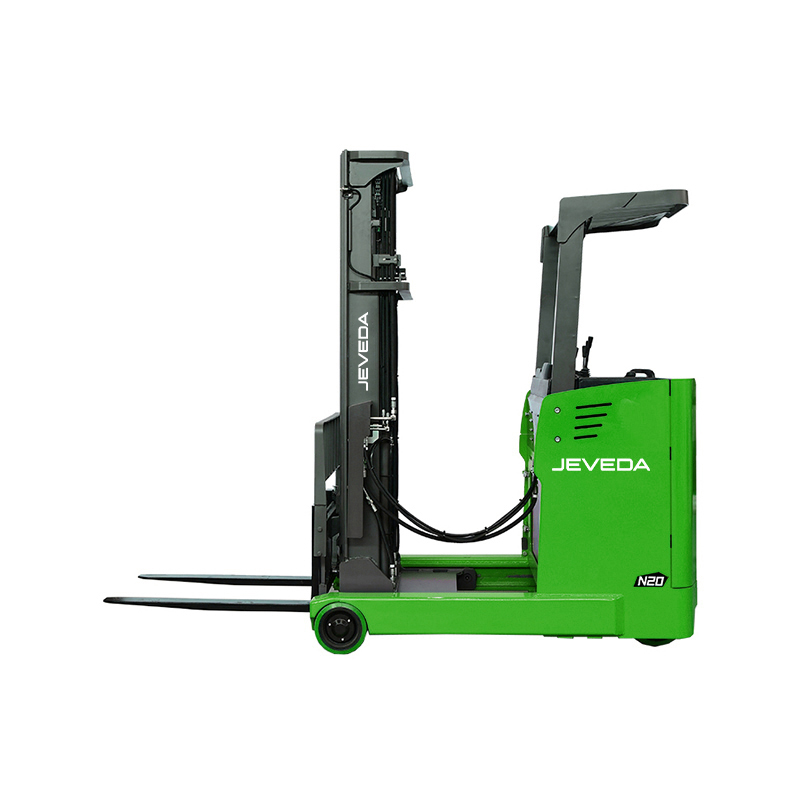
It depends on the environment. A forklift is more efficient on flat, hard warehouse floors with repetitive pallet movement. A telehandler is better on uneven ground and where you need forward reach, height, or different attachments. For mixed outdoor tasks, the telehandler is usually the more flexible choice.
Choose based on the heaviest load, the highest placement and the farthest reach you will need regularly, then add a safety margin. For most small farms, a 2.5 to 3.5-tonne model is adequate. For general construction, 3.5 to 4.5 tonnes is common.
Only with an approved work platform and in compliance with local regulations. The machine must be rated for personnel lifting, the platform must be properly secured and the operator must be trained for the task.
Follow the manufacturer's schedule, typically every 250 to 500 operating hours for major services, with daily checks and regular greasing in between. Heavy-duty or dusty conditions may require shorter intervals.
With proper maintenance, a quality machine can work 10,000 hours or more. Resale value depends on hours, condition, service history and brand reputation.
A 1-to-3-Ton Digger Built for Places Larger Machines Cannot Reach A mini excavator is a compact, tracked digging machine that typically weighs 1 to 3 tons and ...
READ MOREThe power system of the multi-directional forklift 3.0-4.0T is widely praised by users for its high efficiency and stability. The power system of this forklift ...
READ MOREAfter meticulous polishing, the official website of JEVEDA is finally here! Here, you will start a journey to explore efficient logistics: ● Brand Story: Learn ...
READ MORE
information
info@jevedamachinery.com
+86-571-86888355
No.1, Road One, Xindeng New District, Fuyang, Hangzhou, Zhejiang 311404, P.R.China
 China Compact Telescopic Forklift Manufacturers
 English
 русский
 Español
 Português
 Deutsch
 中文简体